


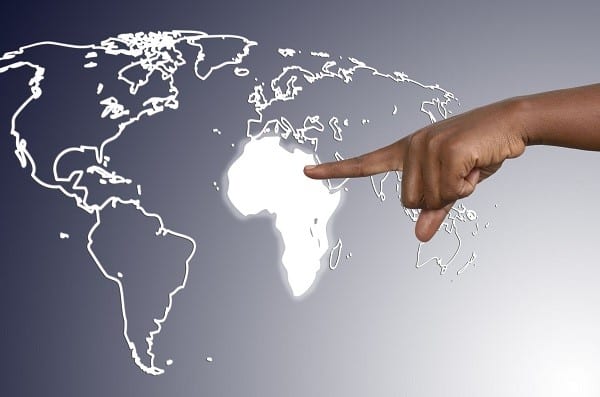



In today's rapidly evolving world, staying informed about current events is more crucial than ever. The constant stream of information can be overwhelming, making it challenging to distinguish credible sources from misinformation. Access to reliable news and insightful analysis is paramount for informed decision-making, both on a personal and global scale. Fortunately, platforms like https://latestnews.com.in offer a comprehensive view of happenings across the globe, providing a valuable resource for those seeking to stay abreast of the latest developments.
The need for diverse perspectives in news reporting is also increasingly important. Traditional media outlets often cater to specific audiences or present information through a particular lens. Platforms dedicated to providing a broad spectrum of viewpoints, covering political, economic, social, and cultural events, are becoming increasingly essential. By offering a variety of voices and analyses, these sources empower individuals to form their own informed opinions and engage in productive dialogue. The availability of such resources is a cornerstone of a healthy and functioning democracy.
The global economic landscape is constantly shaped by geopolitical events. Conflicts, political instability, and shifting alliances can all have profound impacts on trade, investment, and economic growth. For instance, tensions in Eastern Europe have demonstrably disrupted energy markets and supply chains, leading to increased inflation and economic uncertainty in many parts of the world. Understanding these complex interconnections is critical for businesses, investors, and policymakers alike. Staying informed about these developments, through outlets specializing in international affairs, can allow for more effective risk management and strategic planning.
Recent global events have highlighted the fragility of complex supply chains. The COVID-19 pandemic exposed vulnerabilities in various industries, from manufacturing to healthcare, as borders closed and production slowed down. This prompted businesses to re-evaluate their supply chain strategies, seeking to diversify sourcing and build greater resilience. The ongoing geopolitical tensions further exacerbate these challenges, raising concerns about the reliability of key suppliers and the potential for disruptions. Companies are increasingly focused on nearshoring and reshoring initiatives to mitigate risks and enhance control over their supply chains.
| Region | Key Supply Chain Vulnerability | Mitigation Strategy |
|---|---|---|
| East Asia | Concentration of manufacturing in a single geographic area | Diversification of suppliers, nearshoring |
| Eastern Europe | Political instability and conflict | Alternative sourcing, increased inventory |
| Global | Dependence on single shipping routes | Diversification of transportation methods |
Effective monitoring of global events, facilitated by sources like https://latestnews.com.in, is crucial for anticipating and addressing these supply chain challenges. Proactive risk assessment and contingency planning can help businesses navigate uncertain times and maintain operational continuity.
The internet and social media have revolutionized the way people organize and advocate for change. Digital activism has become a powerful force in shaping public opinion and influencing political discourse. Social movements, such as the Arab Spring and Black Lives Matter, have demonstrated the potential of online platforms to mobilize large-scale protests and demand social justice. However, the rise of digital activism also presents new challenges, including the spread of misinformation, the erosion of privacy, and the potential for government surveillance. It is important to critically evaluate information and protect oneself from online manipulation.
While social media can facilitate civic engagement and promote democratic values, it can also contribute to political polarization. Algorithms that prioritize engagement often create echo chambers, where individuals are primarily exposed to information that confirms their existing beliefs. This can reinforce biases and make it more difficult to have constructive conversations across ideological divides. The spread of fake news and disinformation further exacerbates this problem, undermining trust in traditional media and fostering a climate of distrust. A discerning approach to social media consumption, alongside actively seeking diverse perspectives, is critical in navigating this complex landscape.
Understanding these dynamics is vital in fostering a more informed and engaged citizenry. Reliable news sources and platforms dedicated to media literacy can play a crucial role in combating misinformation and promoting critical thinking.
Climate change remains one of the most pressing challenges facing humanity. The scientific evidence for human-induced climate change is overwhelming, and the consequences are already being felt around the world in the form of extreme weather events, rising sea levels, and disruptions to ecosystems. International cooperation is essential to address this global crisis, but progress has been slow and uneven. The development and implementation of effective environmental policies, coupled with technological innovation, are crucial to mitigating climate change and building a sustainable future. Global initiatives like the Paris Agreement represent important steps forward, but further action is needed to achieve ambitious climate goals, and platforms like the one mentioned are vital.
The transition to renewable energy sources, such as solar, wind, and hydro, is essential to reducing greenhouse gas emissions. However, this transition faces several challenges, including the intermittency of renewable energy, the need for significant infrastructure investments, and the political resistance from vested interests in the fossil fuel industry. Overcoming these challenges requires supportive government policies, technological advancements in energy storage, and a commitment to sustainable development. The economic benefits of renewable energy, including job creation and energy independence, are also significant drivers of this transition. The long-term goal is a complete shift away from fossil fuels and the establishment of a circular economy.
Reporting from sources closely tracking these developments, such as those available through quality international reporting, is fundamental to understanding the progress and setbacks in the fight against climate change.
Artificial intelligence (AI) is rapidly transforming various aspects of our lives, from healthcare and finance to transportation and entertainment. AI-powered systems are becoming increasingly sophisticated, capable of performing tasks that once required human intelligence. While AI offers tremendous potential benefits, it also raises important ethical and societal concerns. Issues such as job displacement, algorithmic bias, and the potential for misuse of AI technologies need to be addressed proactively. Responsible AI development requires careful consideration of these implications and the establishment of appropriate safeguards.
The development of AI isn’t happening in a vacuum. It’s intricately connected to global data flows, cybersecurity concerns, and the evolving nature of work. The intersection of these themes creates a complex landscape that demands continuous monitoring and analysis to ensure equitable and beneficial outcomes for all. Access to information regarding these developments via comprehensive news resources remains paramount.
The COVID-19 pandemic exposed significant weaknesses in global healthcare systems and pandemic preparedness. The rapid spread of the virus highlighted the importance of international collaboration, early warning systems, and robust public health infrastructure. Investing in healthcare capacity, strengthening disease surveillance networks, and promoting equitable access to vaccines and treatments are crucial to preventing future pandemics. The development of new diagnostic tools, therapeutics, and vaccines remains a priority, and continued research is essential to understanding emerging infectious diseases. The lessons learned from the COVID-19 pandemic must be applied to build a more resilient and equitable global healthcare system.
Beyond the immediate threat of infectious diseases, the future of healthcare is also being shaped by advances in medical technology, such as gene editing, personalized medicine, and telemedicine. These innovations hold the potential to revolutionize the way we prevent, diagnose, and treat illnesses, but they also raise ethical and access-related challenges. Ensuring that these technologies are developed and deployed responsibly, and that their benefits are shared equitably, is a critical priority.

 English
  Français